The Energy of the Heart: Reconnecting with Your Inner Frequency
Exploring the connection between energy, emotions, the electromagnetic heart and the journey back to yourself.
By Chanise Francis | Francis Therapy
Everything Begins with Energy
Energy exists within us and all around us.
From the rhythm of our heartbeat to the electrical signals travelling through our nervous system, our bodies are constantly communicating, responding and adapting to the world around us.
But energy is not only something we explore through science. Across spiritual traditions, energy has long been understood as the essence of life itself.
Known by many names, including Prana, Chi, Ki and Life Force, this concept represents the invisible vitality believed to connect the mind, body and spirit.
Within spiritual healing practices, our energy is often described as something that responds to our thoughts, emotions, intentions and experiences.
Consider how you feel when you enter a room filled with tension, or when you spend time with someone whose presence brings you comfort.
You may notice your breathing change, your muscles soften or your body become more alert.
These experiences remind us of the powerful relationship between our emotions, our nervous system and the environments we inhabit.
Perhaps reconnecting with our energy begins by becoming more aware of what is happening within us.
The Heart: More Than a Physical Organ
The heart is one of the most remarkable organs within the human body.
Every day, it works continuously to circulate blood, delivering oxygen and nutrients to the tissues that sustain us.
It contains four chambers: two upper chambers called the atria and two lower chambers called the ventricles.
The atria receive blood returning to the heart, while the ventricles pump blood towards the lungs and around the rest of the body.
Within this extraordinary system, the heart’s valves help ensure that blood travels in the correct direction.
Yet beyond its role in circulation, the heart is also an electrically active organ.
Every heartbeat begins with an electrical impulse generated by a small group of specialised cells called the sinoatrial node, often described as the heart’s natural pacemaker.
This impulse travels through the heart’s electrical conduction system, coordinating the contraction of its chambers and allowing blood to be pumped efficiently.
These electrical signals can be recorded through an electrocardiogram, commonly known as an ECG.
The heart is therefore both a muscular pump and an extraordinary electrical system.
And this is where our exploration of energy becomes particularly interesting.
The Heart as an Electromagnetic Organ
Whenever electrical currents flow, they produce magnetic fields.
Because the heart relies on electrical activity to coordinate its rhythm, it also generates a measurable magnetic field.
This field can be detected using specialised scientific instruments, a technique known as magnetocardiography.
The heart’s magnetic signals are among the strongest produced by the human body’s organs.
This is a fascinating reminder that the human body is not simply made of muscles, bones and tissues. It is also an intricate network of electrical and chemical communication.
However, the existence of the heart’s electromagnetic field does not establish that emotions are transmitted as healing frequencies, or that the heart can diagnose or heal illness through this field.
Within spiritual traditions, the heart’s electromagnetic nature has inspired a wider interpretation of the heart as a centre of resonance, connection and awareness.
For me, this creates a beautiful opportunity to explore two different perspectives: what science can measure and what spirituality invites us to contemplate.
The heart is both a physical organ sustaining our lives and a powerful symbol of our emotional connection to ourselves and others.
The Heart and Brain: A Constant Conversation
We often think of the brain as the centre of our thoughts, feelings and responses.
Yet the relationship between the heart and brain is far more interconnected than we may realise.
The heart and brain communicate continuously through the autonomic nervous system, including pathways involving the vagus nerve.
The brain influences the heart’s rhythm, while sensory information from the cardiovascular system travels back towards the brain.
This ongoing communication helps the body regulate blood pressure, circulation and responses to changing circumstances.
The heart also contains its own specialised network of nerve cells, sometimes referred to as the intrinsic cardiac nervous system.
This network helps coordinate aspects of cardiac function.
Although it is sometimes poetically described as the heart’s little brain, it does not mean the heart thinks or reasons independently in the way the brain does.
Nevertheless, it reveals just how complex and interconnected our bodies truly are.
When we experience fear, excitement, sadness or relaxation, our nervous system responds.
Our heartbeat may quicken.
Our breathing may become shallow.
Our muscles may tense.
Alternatively, when we feel safe, supported and relaxed, our breathing and heartbeat may begin to settle.
This relationship helps us understand why emotional wellbeing and physical sensations are so closely connected.
The Heart as a Frequency Modulator
In spiritual language, the heart is often described as a centre of vibration, resonance and emotional awareness.
When we experience love, gratitude, compassion or peace, we may feel a sense of expansion, warmth and openness.
When we experience grief, fear, rejection or emotional pain, we may notice tightness in the chest, shallow breathing or a desire to withdraw.
These sensations are real experiences of the mind-body connection.
The heart’s rhythm responds to our physiological and emotional state, which is why I like to think of it metaphorically as a frequency modulator of our inner experience.
Not because our emotions have been scientifically assigned specific healing frequencies, but because our emotional experiences influence the way we feel, breathe, respond and connect.
The heart becomes a powerful symbol of the relationship between what we carry within ourselves and how we experience the world around us.
And perhaps one of the most important questions we can ask is:
What is my heart trying to tell me that I have not yet allowed myself to hear?
Heart Coherence: Finding Rhythm Within
One of the most interesting areas of research into the heart is the relationship between breathing, heart rhythm and the nervous system.
Our hearts do not beat at perfectly identical intervals.
Small variations occur naturally between one heartbeat and the next.
These variations are known as heart rate variability, or HRV.
HRV provides useful information about how the autonomic nervous system regulates the heart.
During slow, steady breathing, the heartbeat may begin to follow a more rhythmic pattern.
This is sometimes described as heart coherence.
Practices involving comfortable, paced breathing, meditation and focused attention may encourage relaxation and help some people manage stress.
Heart coherence does not mean that negative emotions damage an invisible heart field or that positive thinking can prevent cardiovascular disease.
Rather, it offers another way to appreciate the relationship between breathing, emotional experience and physiological regulation.
Imagine giving yourself five minutes each morning to sit quietly, breathe gently and become aware of how you feel.
You are not trying to control every thought.
You are simply allowing yourself to reconnect.
Sometimes, a few moments of conscious awareness can change how we approach the rest of our day.
When Emotional Experiences Leave Their Imprint
Throughout life, we encounter experiences that shape the way we see ourselves.
Some experiences leave us feeling loved, safe and supported.
Others may leave us carrying grief, disappointment, rejection, fear or emotional uncertainty.
Over time, we may develop protective responses.
We learn to hold back our emotions.
We become afraid to express our needs.
We question our worth.
We disconnect from the parts of ourselves that once felt open, trusting and free.
Stress and trauma can influence our nervous system, emotional responses and bodily sensations. In spiritual language, these experiences are sometimes described as energetic blocks.
Rather than viewing these blocks as literal obstructions to a scientifically established life-force field, we can understand them as a meaningful way of describing the emotional patterns and protective habits we carry.
Healing is not about forcing ourselves to become someone new. Sometimes, it is about creating enough safety to reconnect with who we have always been.
The Heart Centre and the Energy of Love
Within the chakra tradition, the heart centre is known as Anahata.
It is traditionally associated with love, compassion, forgiveness, acceptance and connection.
The heart chakra is symbolically positioned between the lower and upper energy centres, representing a meeting place between our physical experiences and spiritual awareness.
When we speak about opening the heart, we are not necessarily talking about a physical change.
We are speaking about a willingness to soften, to feel, to receive and to offer ourselves the compassion we so freely extend to others.
A heart-centred practice invites us to acknowledge our emotions without judgement.
It reminds us that we do not have to rush our healing, suppress our sadness or demand that we feel positive every moment.
Sometimes, the most loving thing we can do is simply listen.
A Heart-Centred Meditation: The Garden Within
A gentle practice for emotional reflection, self-compassion and reconnection.
Allow yourself approximately 10–15 minutes for this practice.
Find a quiet space where you feel comfortable and undisturbed. You may wish to light a candle, play gentle music or use your favourite ritual oil to create a calming atmosphere.
You are welcome to keep your eyes open or closed.
1. Creating Your Sacred Space
Begin by finding a comfortable seated position.
Allow your shoulders to soften and your hands to rest gently.
Take a slow, comfortable breath in.
And gently breathe out.
Notice the surface supporting your body.
There is nothing you need to achieve in this moment.
Nothing you need to change.
Simply give yourself permission to be present.
Quietly say to yourself:
I give myself permission to pause. I am safe to listen to myself with kindness.
2. Connecting with Your Heart
Bring your awareness towards the centre of your chest.
If it feels comfortable, place one hand over your heart.
Notice your breathing.
Imagine a soft, warm light resting within your heart centre.
With every gentle breath, allow this light to become a symbol of compassion, acceptance and inner peace.
There is no need to force any sensation.
Simply imagine yourself surrounded by warmth and kindness.
Ask yourself:
How is my heart feeling today?
What emotions have I been carrying?
What part of me needs compassion right now?
Allow whatever arises to be acknowledged without judgement.
3. Entering Your Inner Garden
Imagine yourself standing at the entrance of a beautiful, peaceful garden.
This garden belongs entirely to you.
It represents your inner world, your emotions, your memories and the parts of yourself that are still growing.
Notice the colours, the flowers and the gentle movement of nature around you.
As you walk through the garden, you notice one particular flower.
This flower represents your heart.
Take a moment to observe it.
Are its petals open?
Is it beginning to bloom?
Does it appear delicate, tired or in need of care?
There is no right or wrong answer.
Approach your flower with gentleness.
Imagine sitting beside it, offering it the same compassion you would give someone you deeply love.
Silently say:
I see you.
I acknowledge everything you have experienced.
You no longer have to carry everything alone.
You are worthy of love, care and understanding.
4. Offering Compassion and Renewal
Imagine a beautiful, golden light surrounding you and your flower.
Let this light symbolise love, reassurance and the possibility of renewal.
As you breathe gently, picture your flower receiving the warmth it needs.
There is no need for its petals to open.
No need for it to change.
Allow it to exist exactly as it is.
Ask your flower:
What do you need from me?
What have I been overlooking within myself?
How can I show myself more love in my everyday life?
Remain here for a few moments.
You may receive a thought, an emotion, an image or simply a sense of stillness.
Whatever happens is enough.
5. Returning to Yourself
When you feel ready, thank your flower for allowing you to spend time with it.
Imagine gently leaving the garden, knowing that you can return whenever you wish.
Bring your awareness back to your breathing.
Notice your feet, your hands and the room around you.
Take a moment to reconnect with your surroundings.
You may wish to write down any thoughts or emotions that arose during the practice.
Remember, you do not have to experience a breakthrough for this meditation to be meaningful.
Sometimes, simply showing up for yourself is the beginning of a deeper connection.
If the imagery becomes uncomfortable or overwhelming, open your eyes, notice your surroundings and return to an activity that helps you feel grounded.
The Francis Therapy Philosophy™: A Journey Back to Yourself
At Francis Therapy, I believe that reconnection begins when we create the space to listen within.
This belief is at the heart of The Francis Therapy Philosophy™, a gentle four-step approach to self-awareness and intentional living.
Pause
Give yourself permission to step away from the noise, expectations and demands of everyday life.
Allow yourself a moment to breathe.
You do not always need to respond, react or find an immediate solution.
Sometimes, stillness is where awareness begins.
Observe
Become curious about your emotional world.
Notice your thoughts, your feelings and the sensations within your body.
What patterns continue to appear?
What situations leave you feeling disconnected?
What does your heart need you to acknowledge?
Observation is not about criticism. It is about understanding yourself with compassion.
Connect
Reconnect with your heart, your values and your inner wisdom.
Allow yourself to recognise the parts of you that may have been overlooked or silenced.
Connection begins when we stop abandoning our own emotional needs and start treating ourselves with the love and respect we deserve.
Intend
Set an intention for how you wish to move forward.
Perhaps your intention is to establish healthier boundaries, welcome love, practise forgiveness or create more peace in your life.
Let your intention become a gentle commitment to yourself.
Pause. Observe. Connect. Intend.
Four simple invitations to return to yourself, one conscious moment at a time.
Heart Therapy: A Ritual for Self-Love and Emotional Connection
At Francis Therapy, I believe that meaningful rituals can help us create moments of stillness and self-connection.
Our Heart Therapy Crystal-Infused Ritual Oil was created with this intention in mind.
A gentle invitation to slow down, reconnect with your heart and honour the relationship you have with yourself.
Heart Therapy brings together a carefully chosen blend of essential oils:
- Rose: Traditionally associated with love, tenderness and emotional comfort.
- Geranium: A floral aroma often used in calming and balancing rituals.
- Ylang Ylang: A rich, soothing floral scent that complements moments of relaxation.
- Clary Sage: An aromatic botanical traditionally associated with calm and reflection.
- Maritime Pine: A fresh, grounding woodland note that brings a sense of connection with nature.
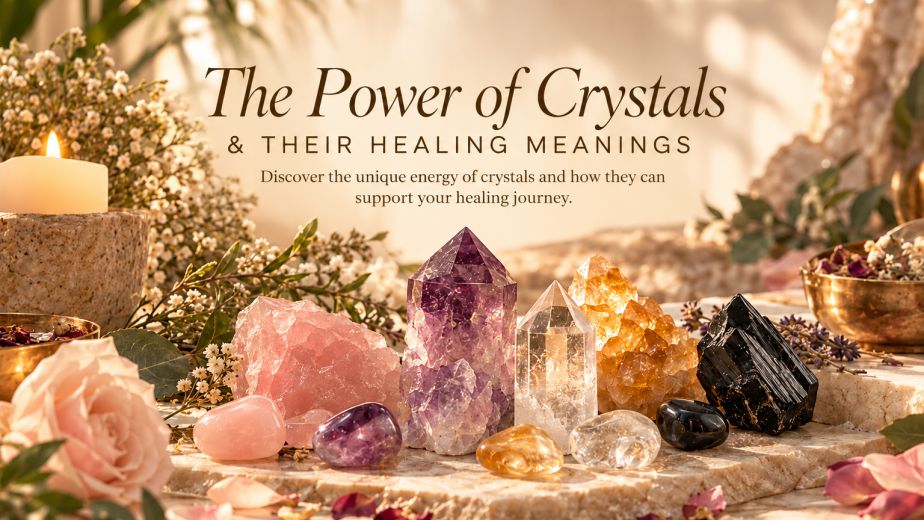
The ritual oil also contains crystals chosen for their symbolic associations:
Rose Quartz — unconditional love, kindness and compassion.
Strawberry Quartz — emotional warmth, gratitude and self-acceptance.
Kunzite — tenderness, openness and connection to the heart.
These crystals hold spiritual and symbolic significance; they are not scientifically established medical treatments.
Your Heart Therapy Ritual
Find a quiet moment just for yourself.
Use Heart Therapy as directed, applying a small amount to an appropriate area of skin, and take a moment to appreciate its aroma.
Rest your hand gently over your heart.
Take three slow, comfortable breaths.
As you breathe, repeat:
I honour the heart that has carried me through so much.
I release the need to be everything for everyone.
I welcome love, compassion and peace into my life.
I am worthy of the same love I so freely give to others.
Allow this moment to be an offering to yourself.
Not because you need fixing.
But because you deserve to be nurtured.
Discover Heart Therapy at www.francistherapy.com
A Final Reflection: Your Heart Deserves to Be Heard
We spend so much of our lives responding to the world around us that we sometimes forget to listen to the world within us.
We learn to keep going.
To remain strong.
To carry responsibilities.
To push through our emotions.
Yet beneath the noise, there is often a quieter part of ourselves asking to be acknowledged.
Perhaps the journey towards healing does not always begin with finding something outside of ourselves.
Perhaps it begins with the willingness to turn inward, to recognise our emotions and to offer ourselves the love we have been searching for.
Your heart does not need to be perfect to be worthy of love.
Your journey does not need to be complete for you to experience peace.
And you do not need to have all the answers before you begin reconnecting with yourself.
Your journey begins within.
With Love,
Chanise Francis
Francis Therapy — Mind, Spirit, Alignment.
Wellbeing note: Meditation, aromatherapy and spiritual practices may support relaxation and personal reflection but do not replace appropriate medical or psychological care. Essential oils should be used according to product safety instructions. If you experience persistent chest pain, breathing difficulties or other concerning physical symptoms, seek medical assessment.